Furqan Syed
AM Team Lead, Immensa
7 min read
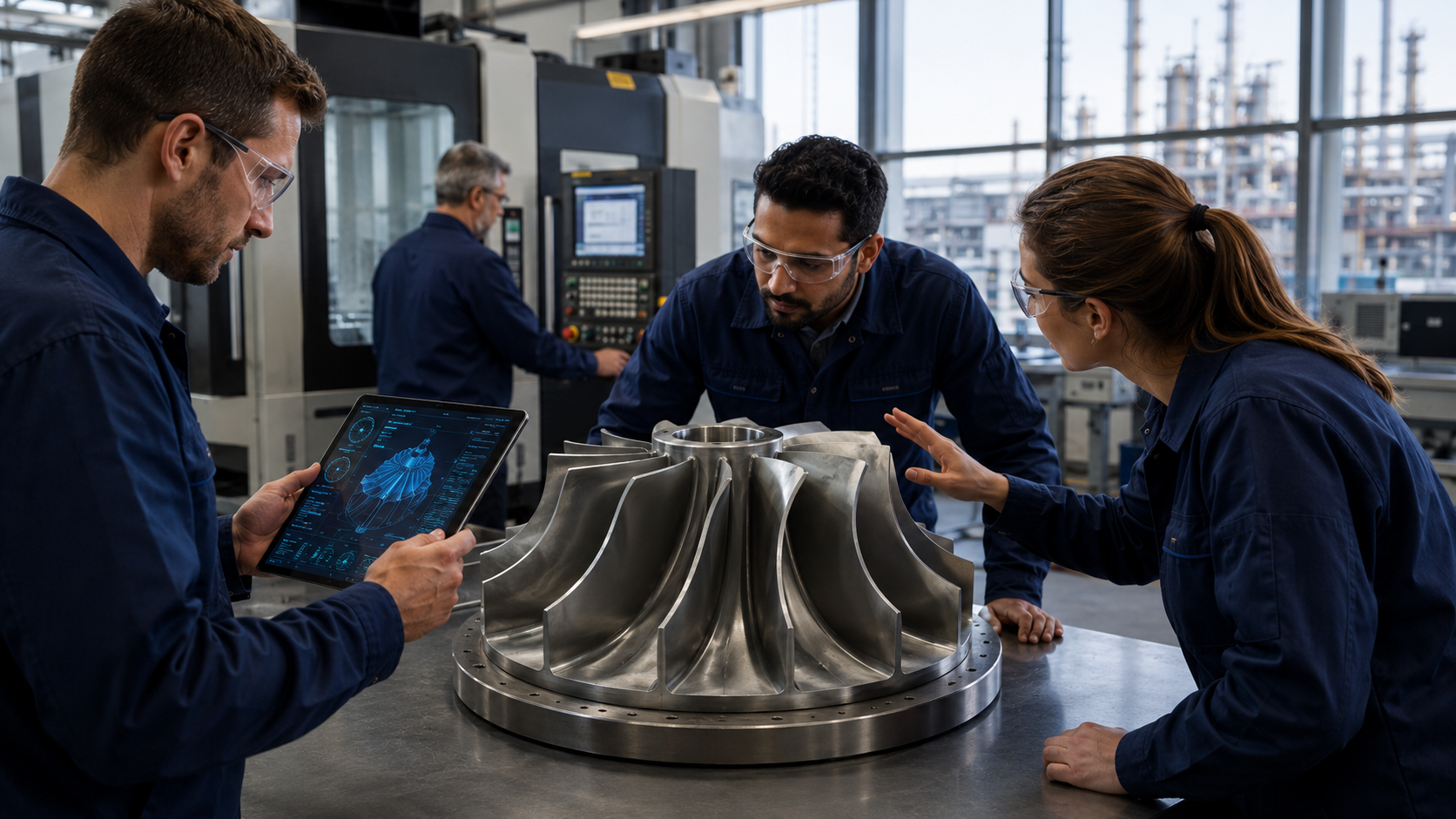
Reliability is usually discussed in terms of maintenance strategies, inspection routines, and performance dashboards. But in real operations, reliability rarely breaks because of poor maintenance planning. It breaks when a critical spare part is not available at the right time.
Not because the issue was missed. Not because the team failed to act. But because something essential is delayed somewhere in a supply chain, sitting in transit, waiting on approval, or no longer produced at all.
After working with energy operators for years, a pattern becomes difficult to ignore. Most reliability challenges are not caused by a lack of technical understanding. They are caused by the gap between identifying a problem and actually being able to fix it. That gap is almost always tied to spare parts availability.
Reliability Does Not End with Maintenance
On paper, most reliability programs look strong. Predictive maintenance, condition monitoring, and structured maintenance frameworks are all in place. The systems are mature and well documented.
But frontline teams often see a different reality. Technicians are usually the first to notice when something changes. A pump starts behaving slightly differently. A vibration trend shifts in a way that does not look normal. A temperature pattern begins to drift from historical behavior.
These signals are often early warnings, and experienced teams recognize them quickly. The real challenge is not identifying the issue. It is what happens after that.
Once the decision is made to intervene, everything depends on whether the required spare parts are available. Lead times stretch into weeks or even months. Some parts are discontinued entirely. Others require complex international sourcing and long logistics chains. At that point, reliability is no longer just a maintenance responsibility. It becomes a supply chain constraint that directly shapes operational outcomes.
When Waiting Becomes the Biggest Risk
There is a common assumption that downtime is caused by equipment failure. In reality, the failure is often only the beginning of the problem.
What extends downtime is everything that follows. The sourcing process, procurement approvals, shipping delays, and coordination across multiple teams and suppliers.
I have seen relatively simple failures lead to extended outages, not because the repair was complex, but because the replacement part was not immediately available. The typical response is to hold more inventory. The logic is straightforward. If a part is critical, stock it.
But over time this creates a different challenge. Inventory grows, capital becomes tied up, and many parts sit unused for years. Some even become obsolete before they are ever required. Organizations then find themselves balancing two competing risks: downtime risk on one side and inventory inefficiency on the other. Neither is ideal on its own.
8–36 weeks
Typical lead time for specialized spare parts
~20%
Industrial spare parts become obsolete before ever being used
50%
MRO spare parts are slow-moving or rarely used
Reliability and Supply Chain Are the Same Conversation
In most energy companies, maintenance and supply chain are treated as separate functions. In practice, they are tightly connected parts of the same system.
Maintenance teams define what needs to be fixed. Supply chain determines how quickly it can actually be fixed. This connection becomes even more visible in aging assets. Equipment operates well beyond original design life. OEM support becomes limited. Documentation is incomplete. Spare parts are discontinued or difficult to source.
Even strong maintenance strategies begin to struggle when spare parts planning is not aligned with operational reality. In most cases, the issue is not diagnosis. It is execution. And execution depends on readiness.
How Digital Inventories Are Changing Readiness
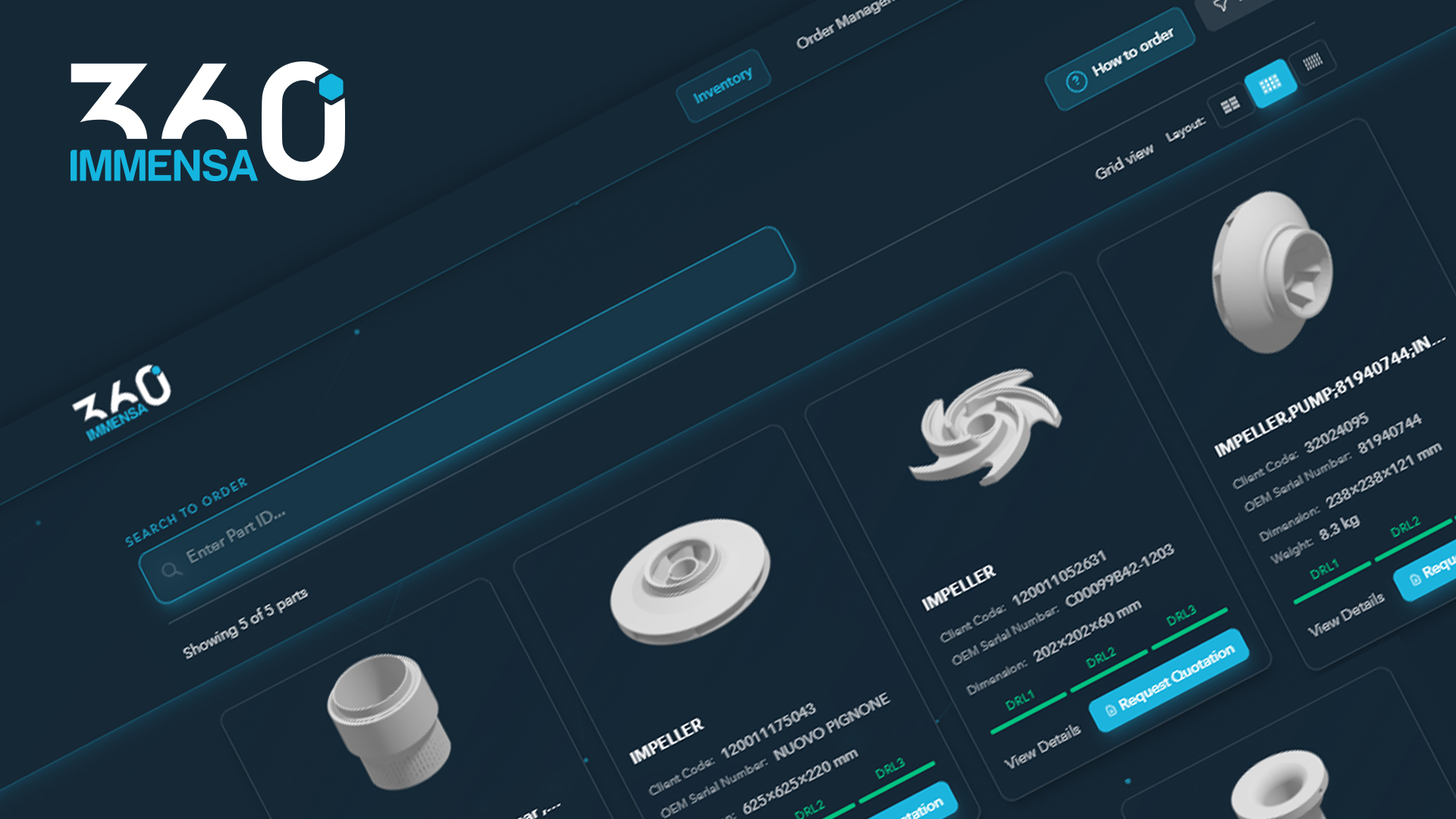
There is a noticeable shift happening in how energy operators think about spare parts. Instead of treating them only as physical stock, energy companies are increasingly digitizing them. Engineering data, specifications, and drawings are being structured into governed digital inventories.
At first glance, this may seem like a documentation exercise. In practice, it changes the operating model. A properly digitized spare part does not need to physically exist in a warehouse to be available. It can be manufactured when needed, provided that the data and supply chain pathways are reliable.
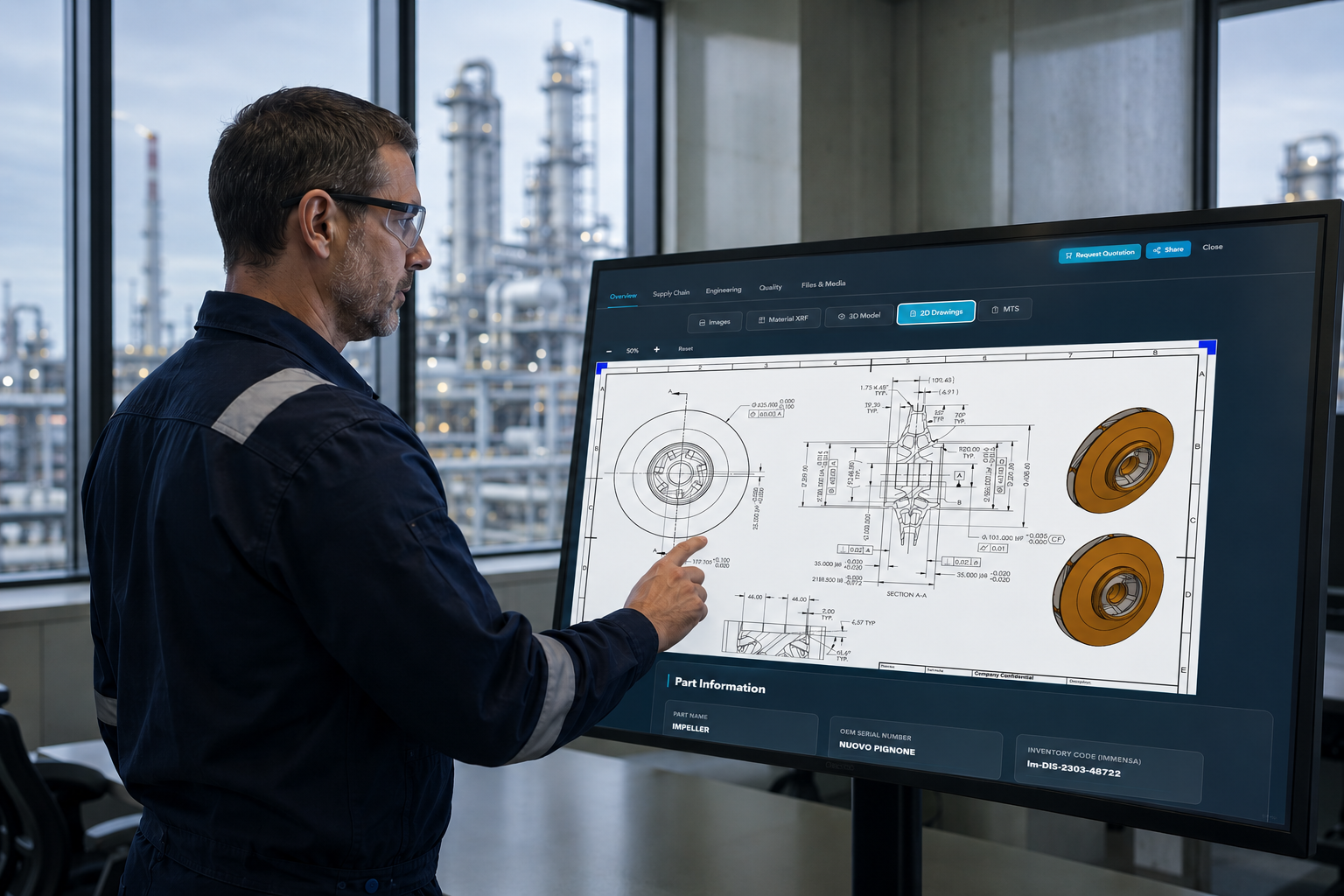
This moves the concept of inventory from ownership to access. Of course, this approach depends heavily on data quality. Missing tolerances, outdated drawings, and inconsistent part numbering can quickly undermine the entire model.
Data Problems Are Operational Problems
Data is frequently treated as an IT concern. In reality, it is an operational discipline. When maintenance records, inspection findings, and spare parts data are fragmented, decision making slows down significantly.
In some cases, teams spend days reconciling basic part information across multiple systems before any physical action can take place. This is not a technology limitation. It is a structural one. And it has a direct impact on reliability performance.
Resilience Is Now Part of Reliability Strategy
Supply chains used to feel relatively stable. Lead times were long but predictable. Planning assumptions held for extended periods. That is no longer the case. Disruptions are more frequent. Supplier availability shifts quickly. Logistics networks change. Critical components can become unavailable without warning.
In this environment, resilience is no longer optional. It is a core part of reliability strategy. Digital inventories, localized manufacturing, and on demand production models are all responses to this shift. They reduce dependency on long and fragile supply chains and improve recovery time when issues occur.
Five Actions to Strengthen Reliability and Spare Parts Readiness
Translating strategy into operational improvement requires deliberate, connected action across maintenance and supply chain functions. These five steps provide a practical starting point.
-
1
Integrate Reliability and Supply Chain Planning
Maintenance and supply chain teams should collaborate on criticality assessments and spare parts strategies to ensure operational risks are addressed proactively.
-
2
Digitize Critical Spare Parts
Create governed digital inventories that preserve engineering data and reduce dependency on physical stock alone.
-
3
Establish Structured Feedback Loops
Ensure field observations, maintenance actions, and spare parts requirements are connected through traceable workflows.
-
4
Build Data Governance into Daily Operations
Reliable decision making depends on accurate maintenance and inventory data across the organization.
-
5
Develop Resilience for Obsolete and Long Lead Time Parts
Identify components that present the highest supply risk and evaluate alternative sourcing or qualified on demand manufacturing options.
Reliability Is a Long-Term Commitment
Building a culture of reliability requires more than maintenance excellence. It demands alignment between people, processes, technology, and supply chain strategy.
The most successful energy operators recognize that reliability is not achieved solely through better inspections or more sophisticated monitoring systems. It is achieved when organizations can identify issues early, make informed decisions quickly, and access the spare parts needed to act before failures occur.
As the energy sector continues to modernize, reliability and spare parts readiness will become increasingly interconnected. Organizations that combine strong reliability practices with digital inventory strategies and resilient supply chains will be better positioned to reduce downtime, optimize inventory, and sustain operational performance.
The most reliable operations are not simply those with the best technology. They are the ones that ensure the right information, the right decisions, and the right spare parts are available when they matter most.
Ready to Strengthen Your Operational Reliability?
Immensa helps energy operators close the gap between maintenance strategy and spare parts readiness, so the right parts are available when reliability depends on it.
Talk to Our Team