Immensa
Digital Inventory & Manufacturing Insights
6 min read
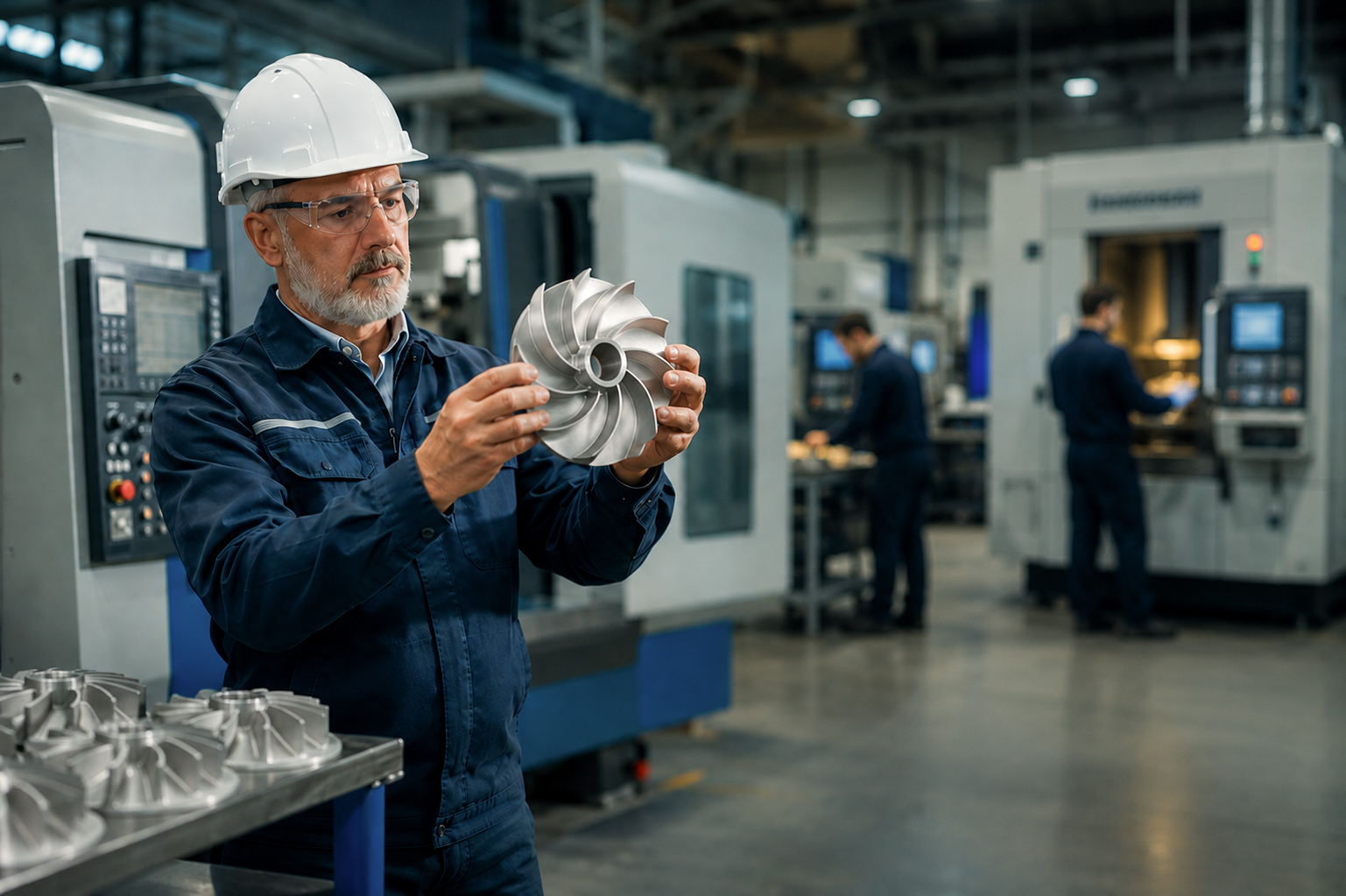
The energy industry is rethinking how critical spare parts are sourced, manufactured, and deployed.
For decades, companies depended on global supply chains and traditional procurement models to secure industrial spare parts. But growing supply chain instability, aging infrastructure, and rising operational pressures are exposing the limitations of conventional manufacturing approaches.
Long procurement cycles, obsolete spare parts, limited OEM support, and logistics disruptions are creating increasing operational risks across the energy industry.
As a result, advanced manufacturing is becoming a strategic priority.
Advanced manufacturing refers to the use of innovative and digitally enabled production technologies to manufacture industrial spare parts with greater precision, flexibility, speed, and efficiency. In the energy industry, this includes technologies such as additive manufacturing and CNC machining that enable faster, more reliable, and on-demand production of critical spare parts.
These technologies are helping companies improve spare parts availability, reduce lead times, strengthen supply chain resilience, and support aging infrastructure more effectively.
According to PwC, more than 70% of industrial manufacturers are increasing investments in digital and advanced manufacturing technologies to improve operational resilience and supply chain performance.
However, technology alone is not enough to scale advanced manufacturing in critical industrial environments.
It requires trust.
For companies operating in the energy industry, every spare part must meet strict operational and quality standards. A manufactured part is only valuable if operators can trust its performance, repeatability, and compliance.
This is where qualification, certification, and digital trust become essential.
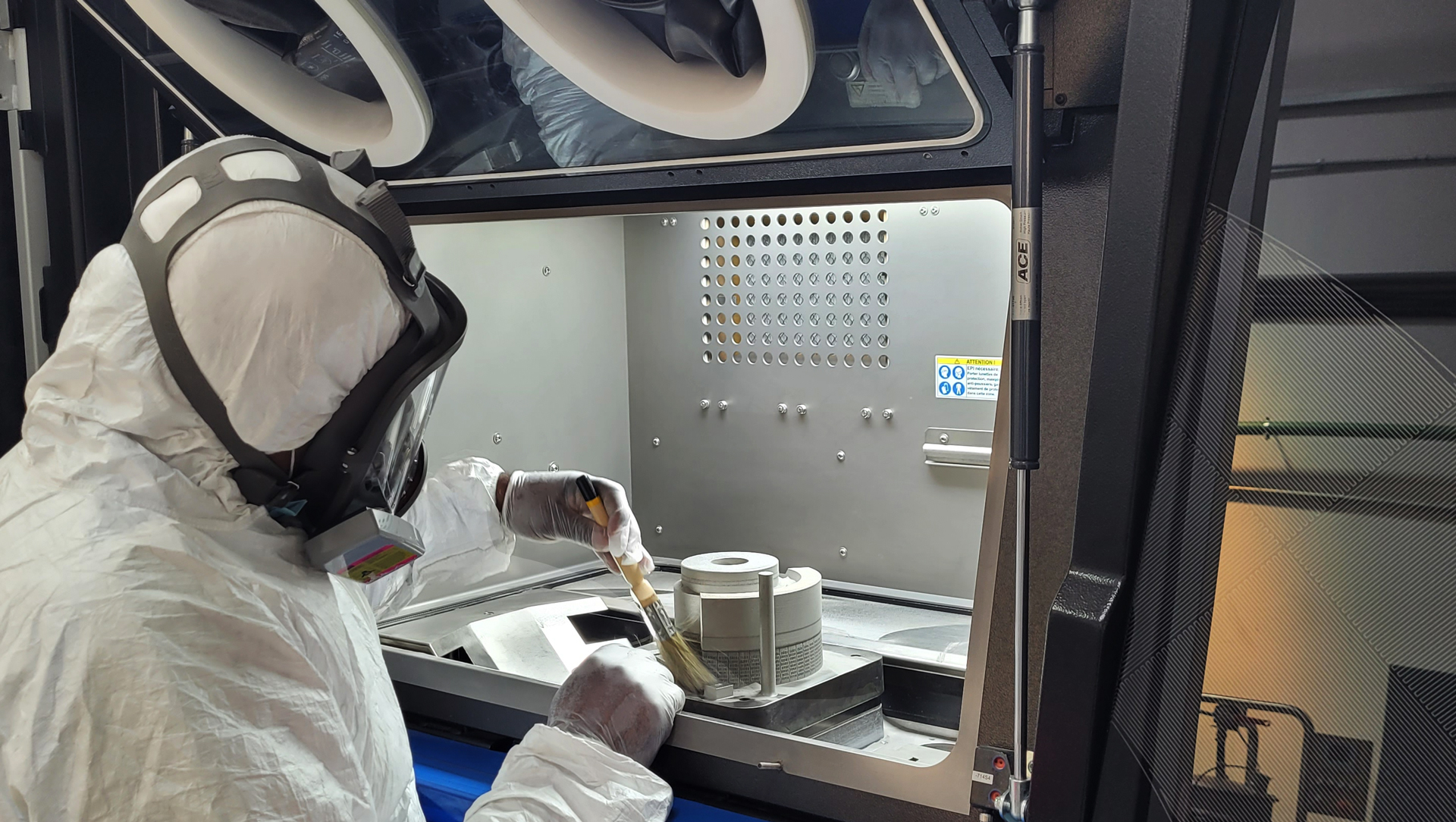
Why Advanced Manufacturing Adoption Is Accelerating
Industrial supply chains were built for stability and predictability. Today's operating environment is far more complex.
Companies across the energy industry are facing increasing pressure to reduce downtime, improve operational efficiency, and extend the lifecycle of aging assets while navigating volatile supply chains.
Traditional manufacturing models often struggle to support these demands efficiently, particularly for low-volume, hard-to-source, or obsolete spare parts.
Advanced manufacturing offers a more agile and responsive alternative.
By enabling on-demand production closer to the point of use, companies can reduce dependency on traditional procurement channels and respond faster to operational requirements.
According to Deloitte, manufacturers adopting advanced manufacturing technologies can improve production flexibility by up to 25% while significantly reducing production timelines for critical industrial spare parts.
But industrial adoption depends on one key factor:
Can operators trust advanced manufacturing technologies in operational environments?
The Importance of Digital Trust
Trust has always been fundamental in the energy industry.
Critical spare parts frequently operate in demanding environments involving high pressure, extreme temperatures, corrosion, and continuous mechanical stress. Even minor failures can impact operational continuity, safety, and production output.
This is why qualification and certification are becoming central to advanced manufacturing adoption.
Operators need assurance that manufacturing processes are validated, material properties meet required specifications, production quality is controlled, and spare parts can perform reliably under operational conditions.
This assurance creates digital trust.
Digital trust is the confidence that a digitally managed and manufactured spare part will perform consistently, safely, and reliably regardless of where or when it is produced.
Without digital trust, advanced manufacturing remains difficult to scale beyond pilot programs and isolated applications.
Qualification: The Foundation of Scalable Manufacturing
Qualification is the process of validating that manufacturing workflows consistently produce compliant and reliable spare parts.
In advanced manufacturing, qualification extends beyond the final part itself. It includes validating materials, machines, manufacturing parameters, post-processing workflows, inspection procedures, and mechanical performance.
This becomes increasingly important in localized manufacturing environments where spare parts may be produced across multiple facilities and regional production hubs.
Without standardized qualification processes, maintaining consistency across distributed manufacturing networks becomes extremely difficult.
Qualification creates the operational framework needed to ensure manufacturing reliability at scale. It transforms advanced manufacturing from an experimental capability into a trusted industrial solution.
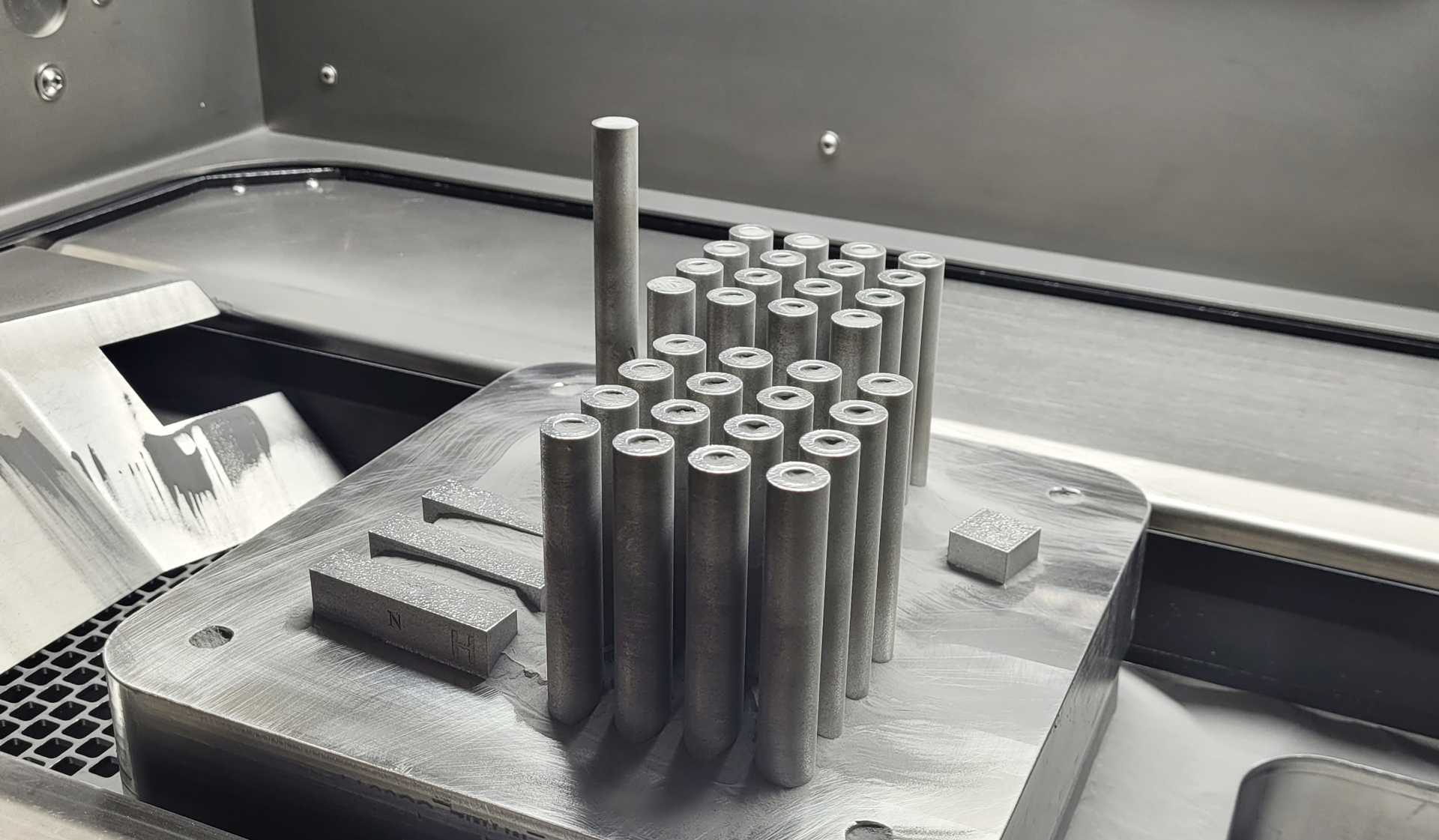
Certification Enables Industrial Deployment
While qualification validates technical performance, certification provides formal operational approval.
Certification frameworks help ensure compliance with industry requirements, quality standards, and regulatory expectations. This may involve third-party verification, process audits, quality assessments, and technical documentation reviews.
Organizations such as ASTM, ISO, API, ASME, and DNV continue to develop standards that support industrial adoption of advanced manufacturing technologies.
These standards are helping create clearer pathways for operational deployment across the energy industry.
Certification is particularly important because industrial environments demand high levels of reliability, traceability, and consistency. It provides operators with the confidence needed to integrate advanced manufacturing into critical operations more broadly.
Why Qualification Matters for Localized Manufacturing
One of the biggest advantages of advanced manufacturing is the ability to support localized production.
Instead of relying entirely on centralized manufacturing and global shipping networks, companies can manufacture spare parts closer to operations through qualified regional production hubs.
This enables faster access to spare parts, improved maintenance responsiveness, reduced logistics exposure, and greater supply chain resilience.
Research indicates that regional manufacturing strategies can reduce lead times by approximately 20–30%.
However, distributed manufacturing only works when every production location can maintain the same quality and performance standards.
A digital part file alone is not enough.
To scale localized manufacturing successfully, companies need validated workflows, standardized production controls, and full traceability across manufacturing environments.
Qualification creates the trust layer that enables distributed manufacturing ecosystems to operate reliably and consistently.
The Future of Advanced Manufacturing in the Energy Industry
The future of manufacturing in the energy industry will be increasingly digital, distributed, and localized.
But scaling advanced manufacturing requires more than production capability.
It requires confidence that manufactured spare parts can be consistently produced, fully traceable, operationally reliable, and trusted in critical industrial environments.
Qualification and certification are no longer simply technical requirements. They are strategic enablers of industrial transformation.
Ready to Scale Advanced Manufacturing with Confidence?
Immensa helps energy companies qualify, certify, and deploy advanced manufacturing solutions for critical spare parts. From additive manufacturing to CNC machining, we provide the digital trust layer your operations need.
Talk to Us