Immensa
Digital Inventory & Manufacturing Insights
5 min read
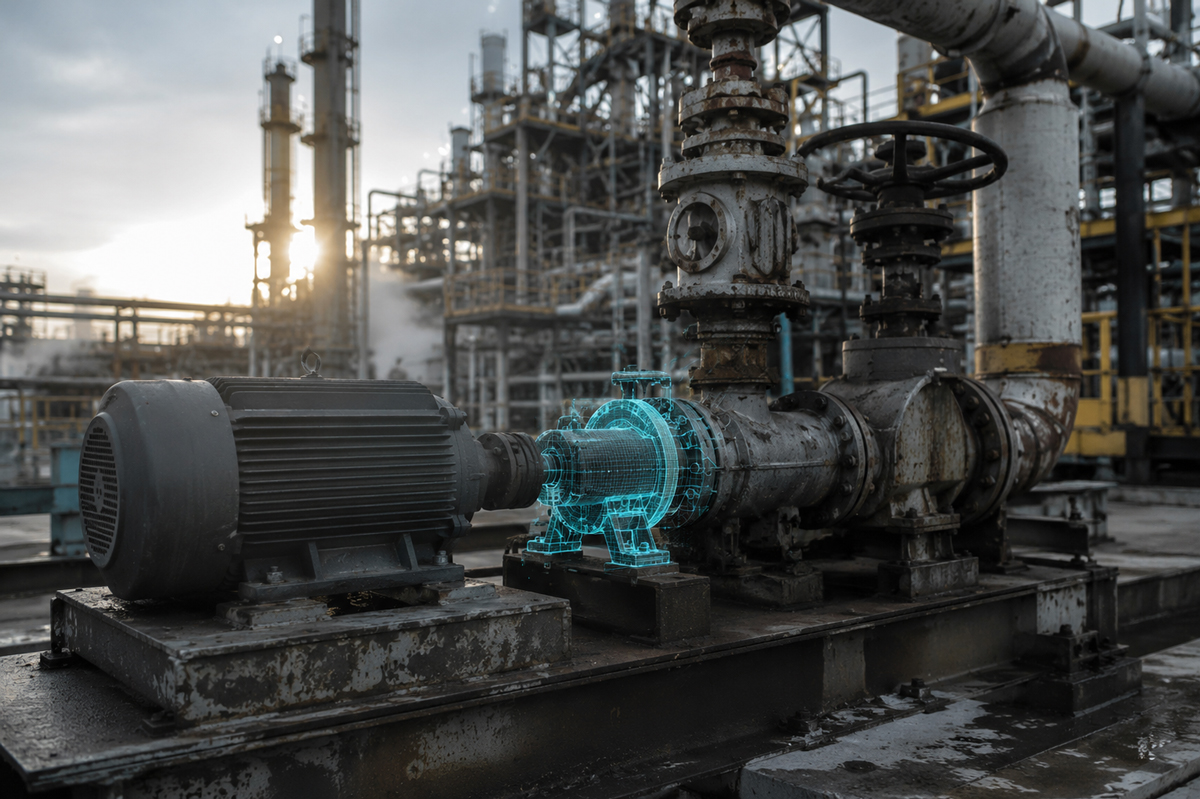
Every industrial asset eventually reaches the same crossroads.
The equipment is still performing well. It continues to produce value, and replacing it would require significant capital investment. Yet the original equipment manufacturer has stopped supporting it. Spare parts are discontinued, lead times continue to grow, and finding replacement components becomes more difficult with every passing year.
This is a challenge that many energy operators now face.
Across refineries, offshore facilities, petrochemical plants, and power stations, assets often remain in service for 30, 40, or even 50 years. While these assets may still be reliable, the supply chains that once supported them rarely last as long.
The issue is no longer whether parts will become obsolete. It is how operators can continue to run critical assets safely and reliably when OEM support is no longer available.
When the OEM Moves On
Manufacturers naturally focus on newer product lines and technologies. As equipment reaches the end of its commercial life, support gradually declines.
At first, the signs can be subtle. Lead times become longer. Prices increase. Certain parts are only available through specialist distributors. Eventually, some components disappear from the market altogether.
Maintenance teams are then left with difficult choices. They search the secondary market, purchase used parts, repair damaged components, or, in some cases, remove parts from one asset to keep another running.
None of these approaches is sustainable over the long term.
The Real Cost of Obsolescence
Obsolete spare parts rarely become a problem until something fails.
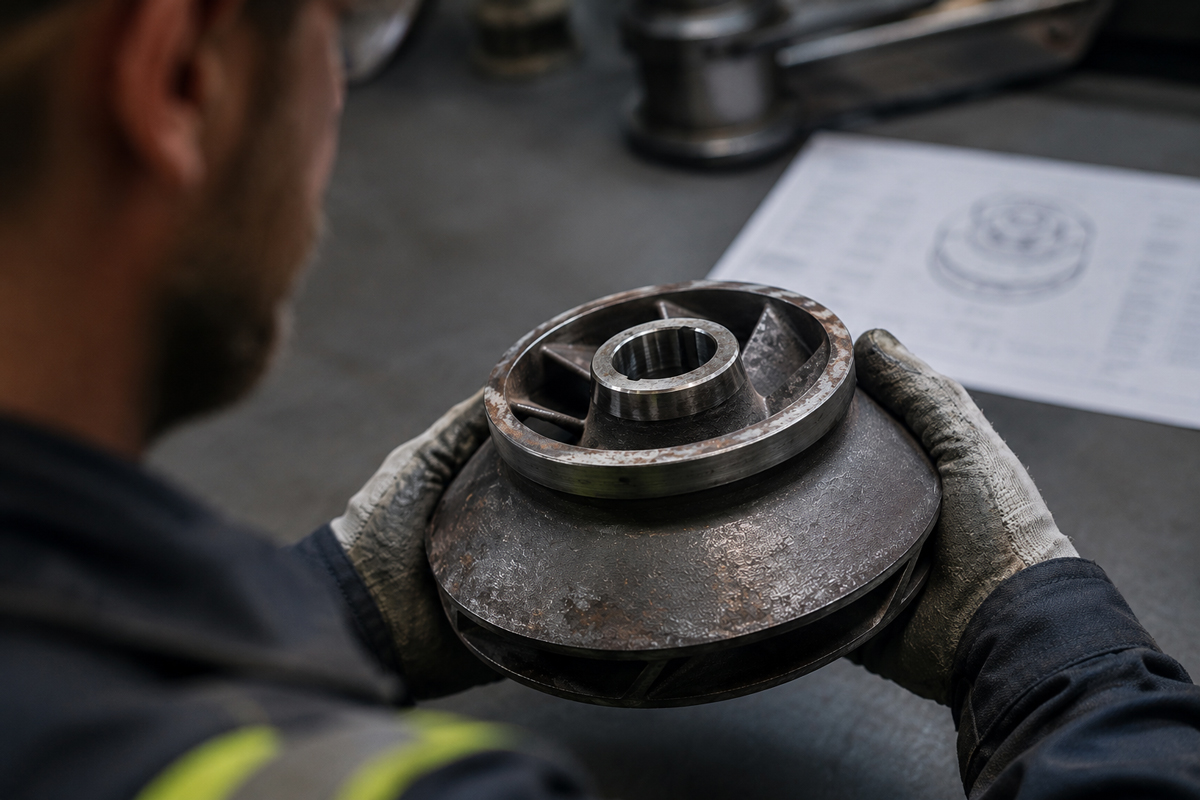
A pump may operate without issue for years before a critical impeller needs replacing. A burner assembly may function perfectly until a single worn component causes an unexpected shutdown. By then, finding the required spare part can take weeks or even months.
The impact extends far beyond the cost of the replacement part itself.
Production may be interrupted, maintenance schedules disrupted, and procurement teams forced into expensive emergency purchases. In critical industries where downtime can cost hundreds of thousands of dollars per hour, the absence of a single spare part can quickly become a major operational issue.
That is why more operators are beginning to view obsolescence as a strategic asset management challenge rather than simply a procurement issue.
Reverse Engineering Opens New Possibilities
The end of OEM support does not necessarily mean the end of an asset's useful life.
Advances in reverse engineering now allow obsolete spare parts to be recreated even when original drawings or digital files are no longer available.
Using technologies such as 3D scanning, dimensional inspection, material analysis, and engineering validation, an existing physical part can be transformed into an accurate digital model. That model becomes the basis for manufacturing future replacements whenever they are needed.
Instead of relying on ageing inventory or uncertain suppliers, operators gain a reliable way to reproduce critical spare parts throughout the remaining life of the asset.
Turning Spare Parts into Digital Assets
Reverse engineering solves an immediate problem, but it also creates an opportunity.
Once a spare part has been digitised, it no longer exists only as a physical object sitting on a warehouse shelf. It becomes a secure digital asset that can be manufactured whenever required.
This approach, often referred to as a digital inventory, gives operators much greater flexibility.
Rather than storing thousands of slow moving spare parts that may never be used, they can preserve qualified engineering data, manufacturing specifications, material information, and revision history in a secure digital environment.
When a replacement part is needed, the approved design is ready to manufacture without repeating the reverse engineering process.
It is a fundamentally different way of thinking about inventory. Instead of storing parts, organisations store the capability to produce them.
Manufacturing Where and When It Makes Sense
Another advantage of a digital inventory is manufacturing flexibility.
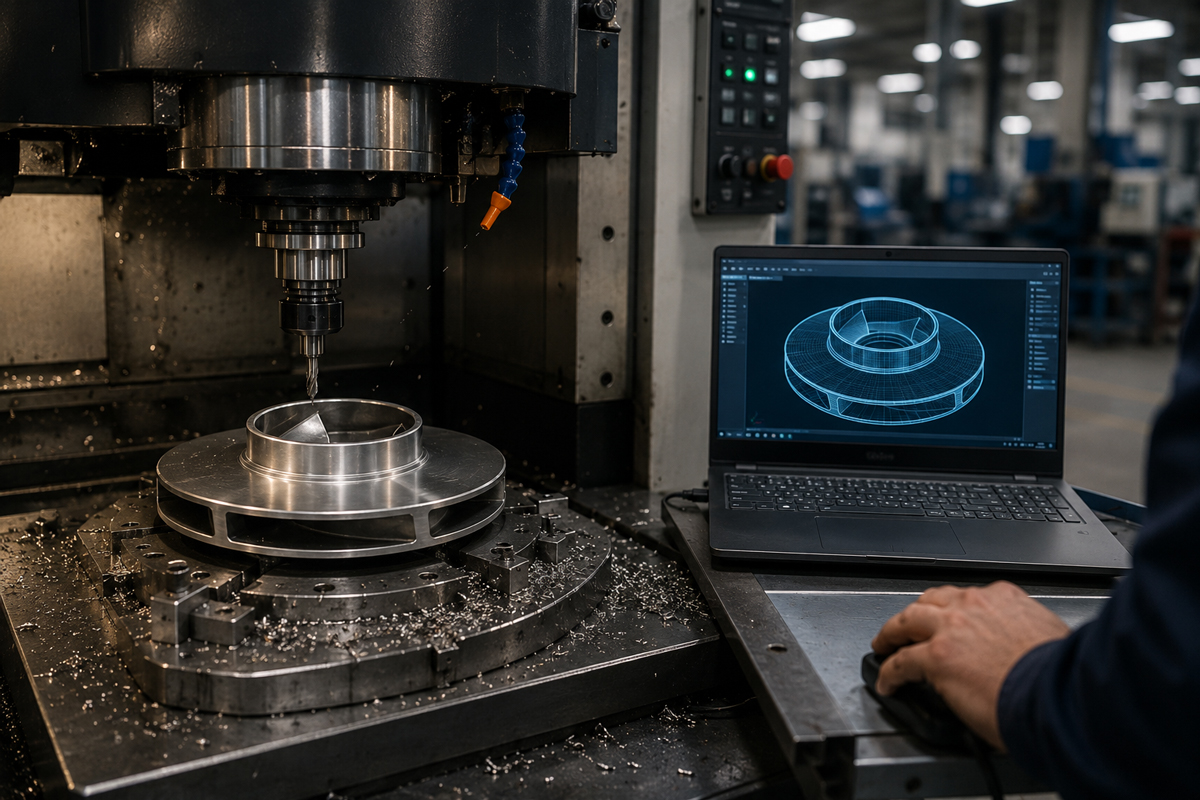
Once the engineering data exists, the spare part can be produced using the most appropriate manufacturing method for that application. Depending on the design, this may involve advanced manufacturing, CNC machining, casting, or conventional production techniques.
The objective is not to replace every manufacturing process with a single technology. It is to choose the method that delivers the required quality, speed, and performance while reducing dependence on a single supplier or geographic region.
For energy operators with assets spread across multiple countries, this also creates opportunities for local production, helping reduce transportation delays and strengthen supply chain resilience.
Not Every Part Needs to Be Digitised
One of the biggest misconceptions about digital inventory is that every spare part should be reverse engineered.
In reality, the greatest value comes from identifying the parts that pose the highest operational risk.
These are typically components that are no longer supported by the OEM, have long procurement lead times, are difficult to source, or are essential to maintaining production.
Focusing on these high value parts allows operators to improve resilience without creating unnecessary engineering work or digitising parts that can still be purchased easily.
A More Proactive Approach to Asset Life
For decades, spare parts management has largely been reactive. A component fails, procurement searches for a replacement, and maintenance waits for the part to arrive.
That approach becomes increasingly risky as assets age.
Forward thinking operators are now identifying vulnerable spare parts long before failure occurs. They are building digital inventories, qualifying manufacturing routes, and ensuring that replacement parts can be produced whenever they are needed.
It is a shift from reacting to obsolescence to planning for it.
How Operators Move from Obsolescence Risk to Resilience
1
Identify High Risk Spare Parts
Prioritise components no longer supported by the OEM, with long lead times, sourcing difficulty, or critical importance to production.
2
Reverse Engineer the Part
Use 3D scanning, dimensional inspection, material analysis, and engineering validation to create an accurate digital model.
3
Build a Digital Inventory
Preserve qualified engineering data, manufacturing specifications, material information, and revision history in a secure digital environment.
4
Manufacture On Demand
Produce approved parts through the most suitable method, from advanced manufacturing to CNC machining, wherever and whenever they are needed.
Extending Asset Life for the Long Term
Industrial assets are lasting longer than ever before, but the same cannot always be said for the supply chains that support them.
As OEM support continues to decline for ageing equipment, operators will need new ways to maintain reliability without replacing perfectly functional assets.
Reverse engineering, digital inventory, and on demand manufacturing provide a practical path forward. Together, they enable organisations to preserve critical engineering knowledge, improve spare parts availability, and extend the life of valuable assets for many years to come.
OEM support may end, but with the right strategy, the asset does not have to.
Future Proof Your Critical Spare Parts
At Immensa, we help energy operators extend the life of critical assets through reverse engineering, spare parts digitisation, digital inventory, and on demand manufacturing. By making critical spare parts available when they are needed, we help organisations reduce the impact of obsolescence and build more resilient supply chains for the future.