The Hidden Cost of Spare Parts That Never Get Used
October 15, 2026
ImmensaDigital Inventory & Manufacturing Insights
7 min read
Why Energy Companies Need to Rethink Their Inventory Strategies
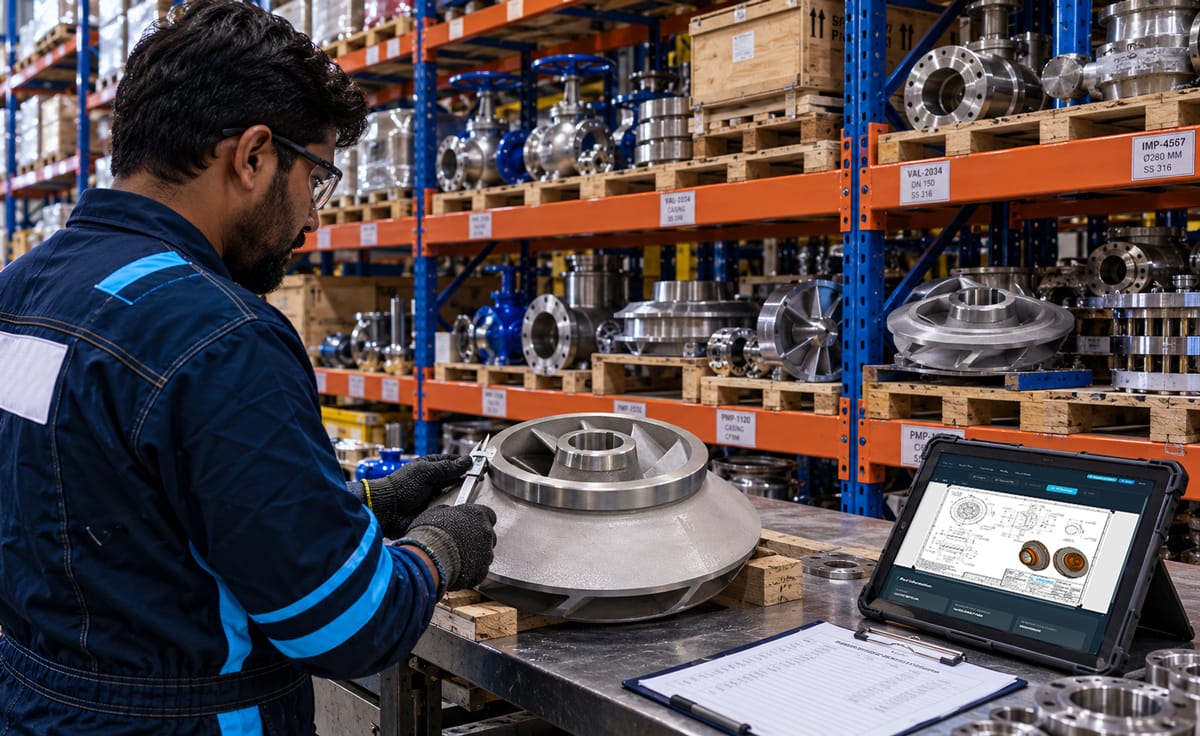
In the energy sector, spare parts availability is critical to maintaining operational continuity. A single unavailable component can delay maintenance, extend equipment downtime and disrupt production. To minimize these risks, energy companies have traditionally relied on one approach: keeping spare parts in stock.
Over time, this has resulted in warehouses filled with components purchased as a precaution, many of which remain unused for years.
While maintaining critical spare parts is essential, holding excessive physical inventory comes at a cost. Beyond the initial purchase price, companies face ongoing storage expenses, tied up working capital, material deterioration and the growing risk of obsolescence.
The challenge is no longer simply how much inventory companies should hold. It is how they can ensure spare parts availability without maintaining unnecessary physical stock.
The True Cost of Holding Spare Parts Inventory
Traditional spare parts management is built around a straightforward principle: having a component available when needed is better than risking an extended shutdown.
This approach is understandable, particularly in industries such as oil and gas, petrochemicals and power generation, where equipment reliability is directly linked to operational performance.
However, the financial implications of maintaining large inventories are often underestimated.
Capital Tied Up in Unused Components
Every spare part purchased and stored represents capital that could otherwise be allocated to operational improvements, equipment upgrades or other business priorities.
For high value industrial components, the financial impact can be particularly significant. When parts remain unused for extended periods, their value is effectively locked into inventory, even as their likelihood of being required may decline.
Certain components also require controlled storage conditions to prevent corrosion, degradation or damage. These costs continue to accumulate regardless of whether the parts are ever used.
The Growing Risk of Obsolescence
As industrial equipment ages, original manufacturers may discontinue components, change product specifications or withdraw technical support.
Companies can find themselves holding spare parts that are no longer compatible with existing equipment or cannot be used without further engineering assessment.
In some cases, components become obsolete before they are ever installed.
Inventory That Exists but Cannot Be Used
Having a spare part physically available does not necessarily mean it is ready for deployment.
Incomplete technical documentation, missing material certificates, uncertain component condition or outdated specifications can make stored parts unsuitable for immediate use.
This creates a critical distinction between inventory availability and operational readiness.
Why Traditional Inventory Optimization Is Not Enough
Energy companies have long used inventory optimization techniques to balance spare parts availability with procurement and storage costs.
These approaches typically focus on demand forecasting, minimum stock levels, reorder points and classification based on component criticality.
While these methods remain valuable, they have limitations when applied to industrial spare parts.
Unlike consumables or frequently replaced components, many critical spare parts have irregular or unpredictable demand. Some may not be required for several years, while others become essential without warning following an unexpected equipment failure.
This creates a difficult tradeoff.
Reducing inventory can free up working capital but may increase exposure to supply chain disruptions. Maintaining higher stock levels can improve immediate availability but also increases carrying costs and the risk of obsolescence.
The underlying challenge is that traditional inventory strategies often assume spare parts must be physically manufactured and stored before they are needed.
Advances in digitization, digital inventory and advanced manufacturing are beginning to challenge that assumption.
From Physical Stock to Digital Inventory
Digital inventory introduces a different approach to spare parts management.
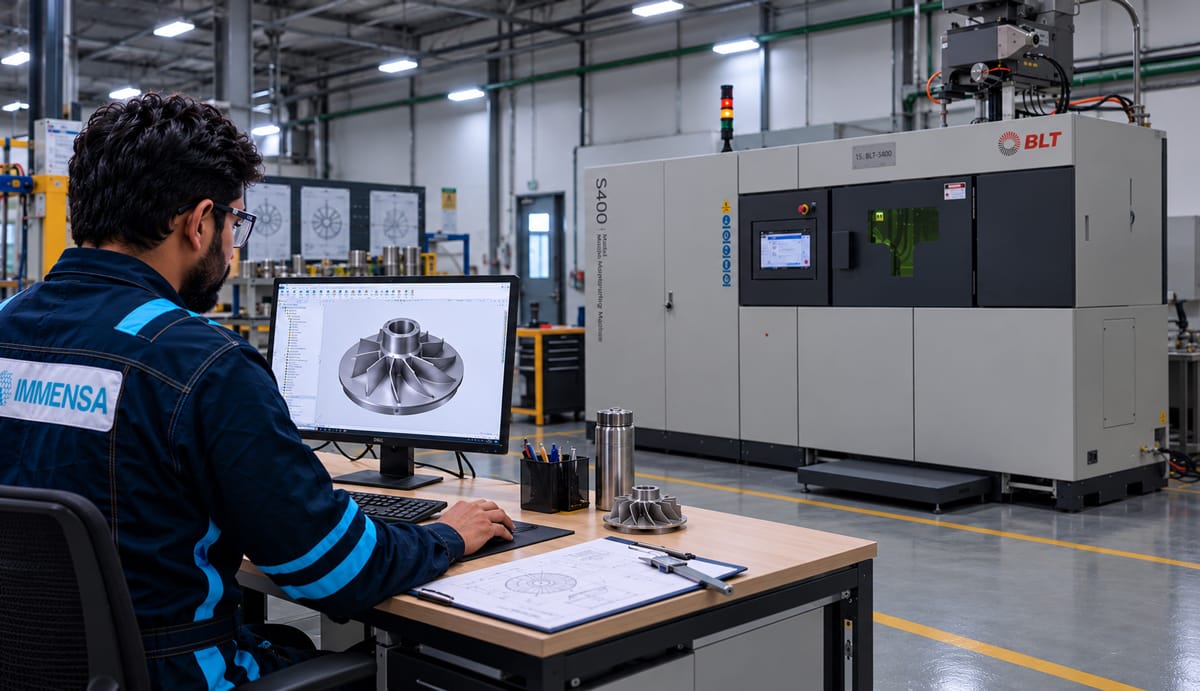
Rather than maintaining every component as a physical asset, suitable spare parts can be digitized, technically validated and securely stored as digital assets, with manufacturing initiated when required.
This allows energy companies to reconsider which components genuinely need to be held in physical stock and which can be managed through a digitally enabled supply chain.
A digital inventory approach typically brings together three interconnected capabilities:
1
Spare Parts Assessment and Digitization
The process begins by identifying components that may be suitable for digitization and alternative manufacturing.
AI powered inventory assessment can help analyze large spare parts catalogs, identifying candidates based on factors such as procurement lead times, demand patterns, obsolescence risk, technical feasibility and commercial value.
Selected components can then undergo physical data capture, digital engineering and technical validation to develop reliable, production ready digital assets.
2
Secure Digital Inventory Management
Once qualified, digital spare parts can be managed within a secure digital inventory platform.
This provides a structured environment for storing technical data, managing revisions, maintaining traceability and controlling access to critical engineering information.
Instead of relying exclusively on warehouse availability, companies gain access to a digital repository of qualified components that can support future manufacturing requirements.
3
Localized, On Demand Advanced Manufacturing
When a component is required, manufacturing can be initiated through a qualified production network, subject to the applicable technical, material and quality requirements.
This approach can reduce dependence on extended international supply chains, particularly for obsolete, difficult to source or long lead time components.
Importantly, not every spare part is suitable for digital inventory or on demand manufacturing. Technical complexity, certification requirements, demand frequency, economics and production lead times must all be considered.
The objective is not to eliminate physical inventory, but to establish a more intelligent balance between physical and digital spare parts availability.
Rethinking Inventory Through a Risk Based Approach
A more effective spare parts strategy begins by recognizing that different components require different inventory models.
Frequently used consumables and components with immediate replacement requirements may continue to justify physical stocking.
However, low demand, high value, obsolete or long lead time components may present opportunities for digitization and alternative manufacturing.
For energy companies, this means evaluating spare parts across several dimensions:
Operational criticality: What would be the impact if the component were unavailable?
Demand frequency: How often is the part actually required?
Procurement lead time: How long would it take to obtain a replacement through conventional channels?
Obsolescence risk: Is the component at risk of becoming unavailable through its original supplier?
Technical feasibility: Can the part be reliably manufactured through an alternative qualified process?
Commercial viability: Does digital inventory offer a practical advantage over conventional stocking or procurement?
By combining these factors, companies can make more informed decisions about which parts to stock, which to digitize and which to source through traditional supply chains.
This moves inventory management beyond simply reducing stock levels toward improving the overall efficiency and resilience of spare parts supply.
The Business Value Goes Beyond Inventory Reduction
The benefits of rethinking spare parts inventory extend beyond warehouse optimization.
Reducing unnecessary physical stock can release working capital, lower storage and preservation costs, and minimize exposure to obsolete inventory.
Digital inventory can also improve the accessibility and governance of critical engineering data, helping companies maintain better visibility and control over their spare parts portfolios.
When combined with qualified localized manufacturing capabilities, it can create opportunities to shorten replacement lead times, reduce reliance on single source suppliers and improve responsiveness to unexpected maintenance requirements.
For energy companies operating across multiple sites and geographies, this also creates the potential for a more connected spare parts ecosystem, where digital assets can be centrally governed while manufacturing takes place closer to the point of need.
Ultimately, the value lies not simply in holding fewer parts, but in building a supply chain capable of delivering the right components at the right time without unnecessary inventory investment.
How Immensa Is Enabling a Smarter Approach to Spare Parts
At Immensa, we are helping energy companies rethink how spare parts are identified, managed and supplied.
Through our proprietary platform, Immensa360, we integrate AI powered spare parts assessment, digitization, secure digital inventory management and localized advanced manufacturing into a connected solution.
Our approach enables companies to evaluate large inventories, identify suitable components for digitization and alternative manufacturing, and establish qualified digital assets that can support future spare parts requirements.
By combining digital engineering expertise with advanced manufacturing capabilities, we help energy operators address obsolescence, reduce long procurement lead times and improve supply chain resilience while maintaining the necessary standards of quality, traceability and compliance.
The goal is not to replace every warehouse with a digital platform. It is to help companies make better decisions about what needs to be physically stored, what can be digitally managed and how critical components can be made available when needed.
The Future of Spare Parts Is About Availability, Not Stockpiling
For decades, spare parts security has been closely associated with physical inventory. The more components a company held, the better prepared it was believed to be for unexpected maintenance requirements.
But in an environment defined by aging industrial assets, supply chain uncertainty and increasing pressure on operational efficiency, this model deserves reconsideration.
Energy companies need inventory strategies that balance reliability, cost and flexibility without creating unnecessary dependencies on physical stock.
Digitization, digital inventory and advanced manufacturing offer a way to achieve that balance.
The future of spare parts management will not be defined by how many components companies keep in their warehouses, but by how reliably, efficiently and quickly they can access the parts they need.
And that begins with rethinking the true cost of inventory that may never be used.
Ready to rethink your spare parts inventory strategy?
Discover how Immensa's digital inventory and advanced manufacturing solutions can help your organization improve spare parts availability, reduce supply chain dependencies and unlock greater value from existing inventories.
What is the hidden cost of spare parts that never get used?
On top of the purchase price, unused spare parts bring ongoing storage costs, tied up working capital, material deterioration and a growing risk of obsolescence. These costs keep building whether or not the parts are ever used.
Why do energy companies hold so much spare parts inventory?
In oil and gas, petrochemicals and power generation, one unavailable component can delay maintenance, extend downtime and disrupt production. Keeping parts in stock has long been the main way to reduce that risk.
Why is traditional inventory optimization not enough for industrial spare parts?
Methods such as demand forecasting, reorder points and criticality classification work well for parts used regularly. Many critical spare parts have irregular or unpredictable demand, which forces a tradeoff between freeing up capital and risking supply disruption.
What is digital inventory for spare parts?
Digital inventory means suitable spare parts are digitized, technically validated and stored securely as digital assets. A part is then manufactured through a qualified production network only when it is needed.
Which spare parts are suitable for digital inventory?
The best candidates are usually low demand, high value, obsolete or long lead time components. To decide, look at operational criticality, demand frequency, procurement lead time, obsolescence risk, technical feasibility and commercial viability.
How does Immensa help energy companies manage spare parts?
Through its Immensa360 platform, Immensa combines AI powered spare parts assessment, digitization, secure digital inventory management and localized advanced manufacturing. This helps energy operators address obsolescence, reduce long lead times and improve supply chain resilience.