

The Growing Supply Chain Challenge in Energy Industries
Energy operators manage some of the most complex supply chains in the world, with a single refinery or power plant depending on hundreds of thousands of individual spare parts, many of which are specialized, overseas-manufactured, and no longer supported by their original OEMs.
Traditionally, companies managed this complexity by maintaining extensive physical inventories. But inventory-heavy models carry a significant financial burden. According to Deloitte, maintenance, repair, and operations (MRO) inventory can account for up to 40% of a company's annual inventory carrying costs in asset-intensive industries. At the same time, global supply chain disruptions have become more frequent. McKinsey research shows companies can now expect disruptions lasting one month or longer every 3.7 years on average.
Many spare parts are also low-volume and highly specialized, manufactured overseas, difficult to source quickly, no longer supported by OEMs, and associated with lead times of 8 to 36 weeks. The challenge is no longer just sourcing parts cost-effectively, it is sourcing them fast enough to maintain operational continuity.

Why Localization Matters for Spare Parts in the Energy Sector
Localization matters because it directly reduces the time between a part failure and its replacement, the single biggest driver of unplanned downtime costs in energy operations.
Energy operators increasingly recognize that relying entirely on centralized international manufacturing creates unnecessary operational risk. A World Economic Forum and Kearney report found that more than 90% of manufacturers are actively regionalizing their supply chains to improve resilience and reduce disruption exposure.
Speed
Faster access to critical spare parts and significantly reduced procurement lead times
Flexibility
Greater supply chain agility and lower dependency on international logistics networks
Resilience
Improved maintenance responsiveness and reduced exposure to global disruption events
But modern localization in the energy sector requires more than regional production facilities. It requires digital infrastructure, specifically the ability to store parts as digital assets and trigger local production on demand.
What Is Digital Inventory for Spare Parts?
Digital inventory for spare parts is a strategy in which physical components are digitized into secure, production-ready digital assets, including CAD files, material specifications, and manufacturing parameters, stored on a governed platform and manufactured on demand at qualified local facilities, rather than held as physical stock in warehouses.
Instead of asking "Where is this part physically stored?" operators can ask: "Which qualified facility can produce this part closest to our operational site?" This transition fundamentally changes supply chain economics. According to IDC, organizations can reduce inventory-related costs by up to 35% through digital inventory optimization and intelligent supply chain digitization.
| Factor | Physical Inventory | Digital Inventory |
|---|---|---|
| Storage requirement | Large warehouses, high cost | Secure digital platform |
| Lead time | 8–36 weeks for specialised parts | Days via local production |
| Obsolescence risk | High — up to 20% unused before use | Eliminated — assets preserved digitally |
| Working capital | Locked in dormant stock | Released — produce only when needed |
| OEM dependency | High — discontinued parts unavailable | Low — legacy parts re-manufactured on demand |
| Supply chain resilience | Vulnerable to global disruption | Distributed, regionally resilient |
How Digital Spare Parts Localization Works: A 3-Step Model
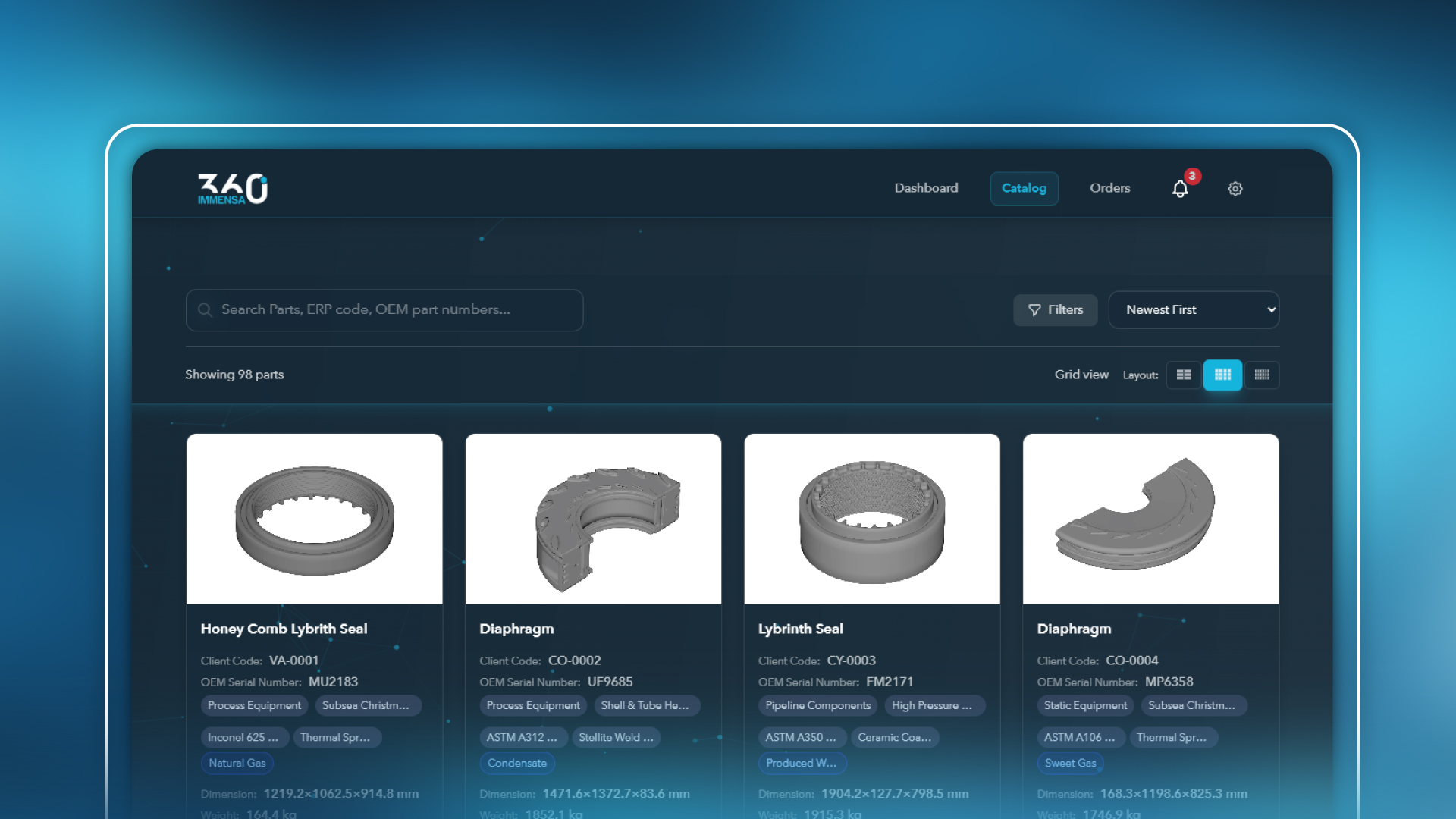
The shift from physical inventory to localized on-demand manufacturing follows a clear three-step process: digitize, store, and produce locally.
Digitize: Convert Physical Parts into Qualified Digital Assets
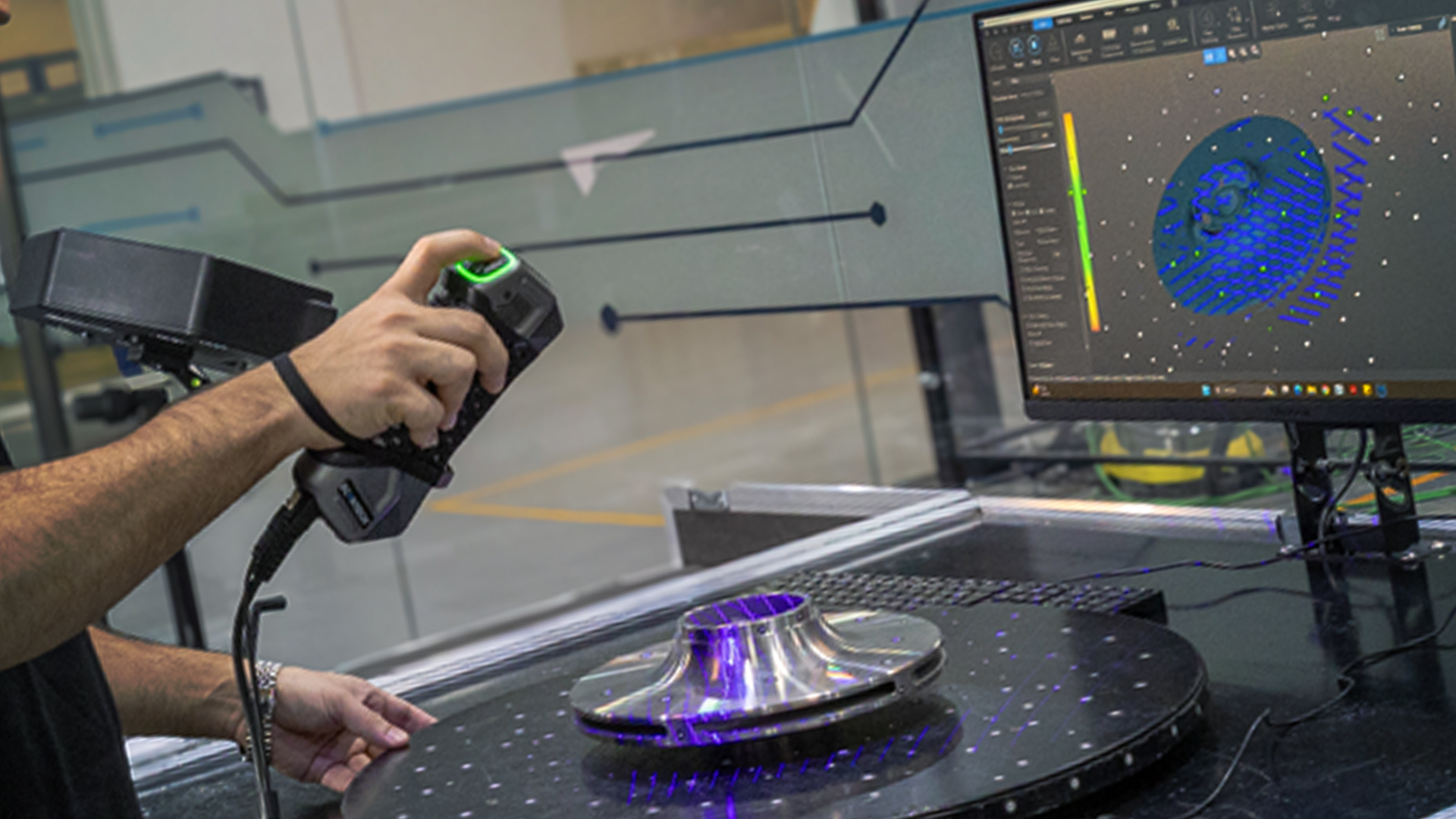
Critical spare parts are reverse engineered, scanned, validated, and converted into qualified digital files. This is especially valuable for legacy components, obsolete spare parts, low-volume industrial parts, and components with long procurement lead times.
Studies show that approximately 20% of industrial spare parts become obsolete before they are ever used, creating significant inventory waste. Digitization preserves these components as manufacturable digital assets indefinitely.
Store: Secure the Digital Inventory on a Governed Platform
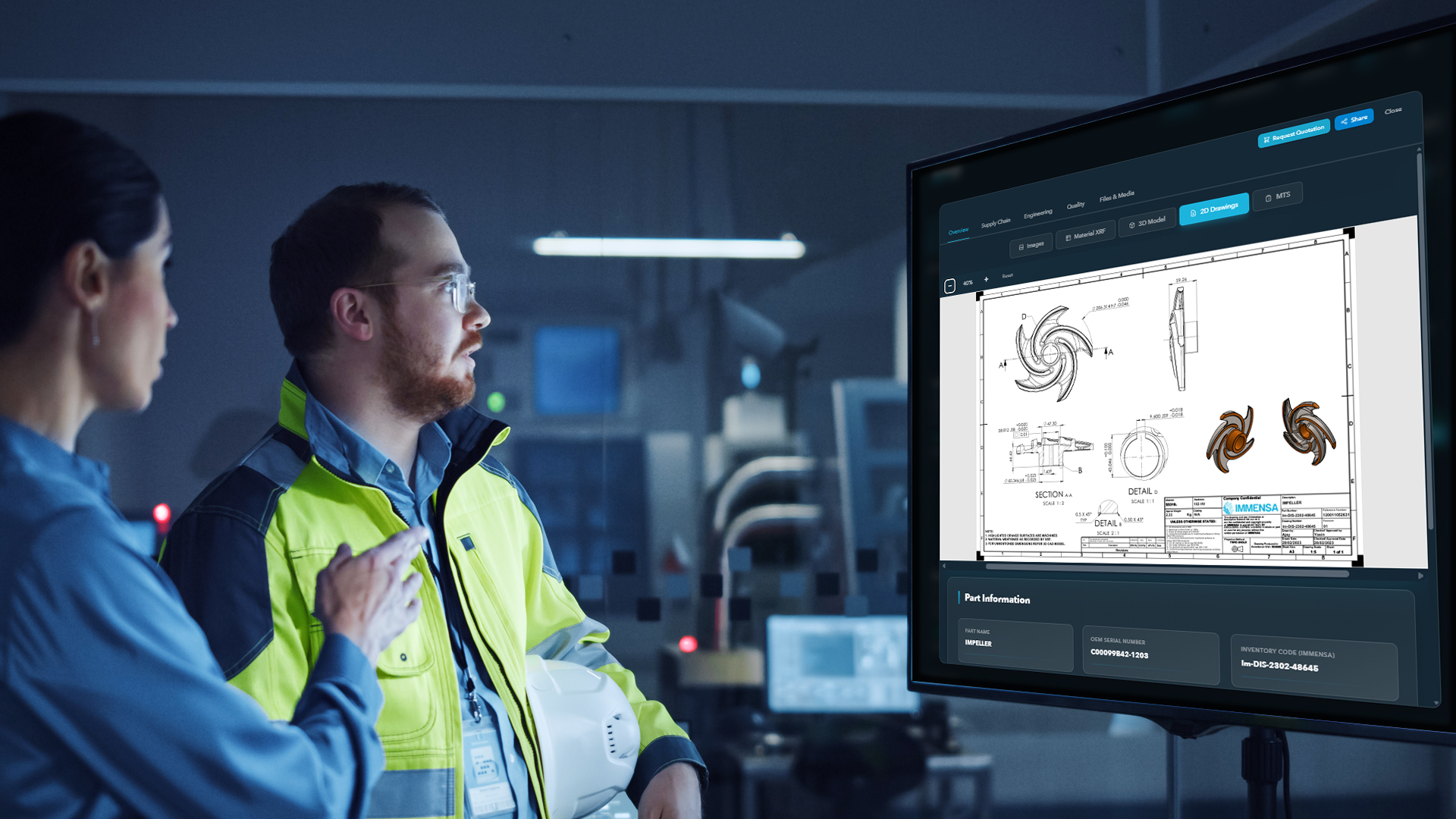
Once digitized, components are securely managed within a centralized digital inventory platform, including CAD files, technical documentation, manufacturing parameters, material specifications, qualification data, and full traceability records.
Instead of holding costly dormant stock, companies maintain production-ready digital assets with complete governance and compliance documentation.
Produce: Manufacture On Demand at the Nearest Qualified Facility
When a part is required, it is manufactured through qualified regional production hubs closest to the point of use, eliminating shipping delays, customs bottlenecks, and expedited freight costs. Research from the World Economic Forum indicates that regional manufacturing models can reduce supply chain lead times by approximately 20–30%.
For energy operators, faster access to critical components directly translates into reduced downtime and improved operational continuity.
Operational Benefits for the Energy Industry
Reducing Unplanned Downtime
Unplanned downtime remains the largest operational risk in energy industries. According to Aberdeen Research, it costs industrial manufacturers approximately $260,000 per hour, while refinery turnaround delays can reach $1 million per day. Localized digital manufacturing enables operators to respond faster to critical failures, qualified parts can be manufactured regionally in days rather than procured internationally over months.
Solving Spare Parts Obsolescence
Many energy assets operate for 30–50 years, but OEM support cycles are far shorter. According to industry estimates, approximately 70% of industrial facilities face challenges sourcing obsolete spare parts for aging infrastructure. Digitization solves this permanently by preserving components as manufacturable digital assets that can be reproduced on demand — regardless of whether the original OEM still supports the part.
Optimizing Inventory and Releasing Working Capital
Traditional spare parts strategies lock working capital in large "just-in-case" inventories, where research suggests up to 50% of stock is slow-moving or rarely used. Digital inventory enables a shift from "stock parts everywhere" to "produce parts when needed", a leaner, more capital-efficient model that eliminates duplicate inventory across facilities and reduces obsolescence write-offs.
The Role of Immensa360 in Digital Spare Parts Localization
Localized manufacturing at scale requires more than production capability, it requires a connected digital ecosystem that governs the entire spare parts lifecycle, from initial digitization through to certified on-demand production.
This is where Immensa360 becomes critical. Built on globally recognized standards including DNV-RP-B205, IOGP JIP 01 (Material Digital Passport), and ISO 27001, the platform provides a single governed ecosystem capable of managing part digitization, secure digital warehousing, qualification workflows, technical documentation, traceability, and distributed regional production networks.
Downtime Risk
Reduce unplanned downtime through on-demand access to qualified, production-ready digital assets
Parts Availability
Improve availability across all part types, including obsolete and legacy components no longer supported by OEMs
Inventory Costs
Lower inventory holding costs by replacing dormant physical stock with governed digital assets
Local Manufacturing
Manufacture closer to operations through qualified regional production hubs with full compliance
The Future of Energy Supply Chains Is Digital and Localized
The energy sector is moving away from centralized manufacturing, long procurement cycles, and inventory-heavy operations toward digital inventory, distributed manufacturing, and localized production ecosystems. This transformation is not just about operational efficiency. It is about resilience.
Organizations that embrace digitized supply chains and localized manufacturing will be better positioned to reduce downtime, improve maintenance agility, lower working capital exposure, support aging infrastructure, strengthen supply chain security, and advance sustainability goals.
Start Your Digital Inventory Journey
Discover how Immensa360 can help your organization build a resilient, digitally enabled spare parts supply chain.
Contact Us →